
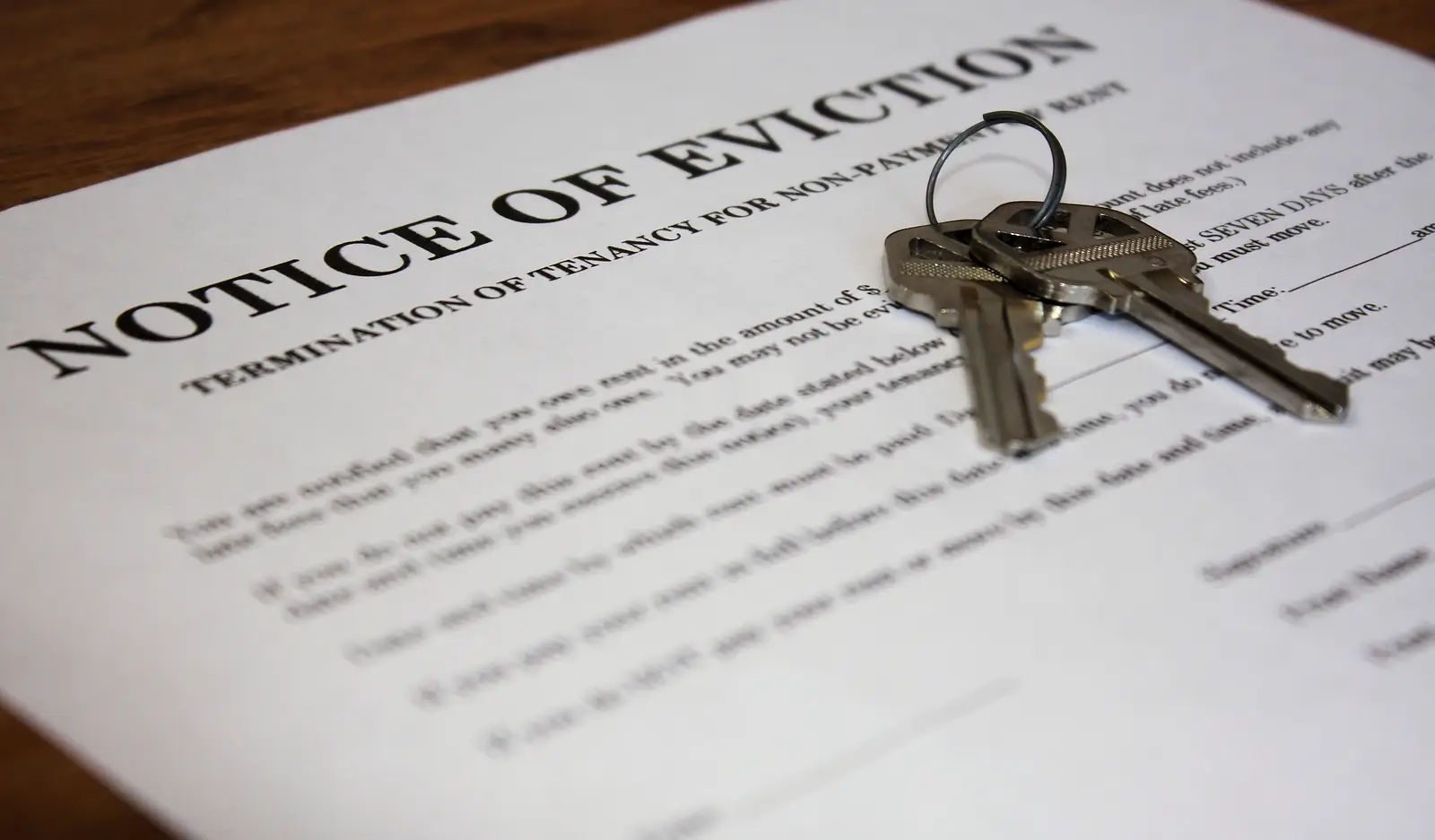
A month-to-month lease in Florida sounds simple. You pay rent, you stay another month. You stop paying or decide to leave, you pack your things, and move on. But as every Florida residential landlord eventually discovers, nothing in property management is ever as simple as it sounds. Lawmakers update rules, tenants misunderstand the timelines, landlords try to guess the required notice, and everyone feels a little confused until the Florida statutes spell out what must happen next.
To help make life easier, Florida passed a more precise statewide requirement for how much notice both the landlord and the tenant must provide before ending a month-to-month tenancy. That timeline is now a 30-day notice period. If you have ever wondered how proper notice works, what counts as a written notice, or what your obligations are under Florida law, we have you covered.
Key Takeaways
- Both landlords and tenants must provide 30 days' written notice before ending a month-to-month lease in Florida.
- The new rule creates consistency across local jurisdictions and reduces confusion about termination timelines.
- A written rental agreement is still the best way to outline responsibilities, notice requirements, and lease terms.
- Understanding tenant rights, landlord's obligations, and the eviction process can help avoid costly disputes.
- Working with a professional property manager can simplify compliance and protect your rental income.
What Makes Month-to-Month Leases So Popular in Florida
Many property owners and renters choose a month-to-month lease because of its flexibility. There is no specific commitment duration; periodic rental payments continue smoothly, and everyone enjoys some wiggle room. A rental agreement like this can be renewed simply by paying rent for the next rental period.
But month-to-month tenancies also require clear communication. A landlord fails to follow the notice period, or a tenant forgets that a written notice is needed, and suddenly, you have confusion, unpaid rent, or even court costs involved. That is precisely why the Tenant Act and the updated Florida landlord-tenant laws now require 30-day written notice for both parties.
Why the 30-Day Notice Rule Matters
For years, some areas relied on local jurisdictions to set timelines, creating different requirements across counties. Now, Florida law clearly states that both the landlord and the tenant must provide reasonable notice, set at 30 days, before ending a month-to-month lease.
This helps prevent surprise move-outs, sudden loss of rental income, and rushed tenant screening efforts. For tenants, it prevents a landlord from demanding they move out with little warning. The updated rule supports a more stable rental property market and helps keep expectations consistent statewide.
Lease Agreements Still Matter More Than Ever
Even with the new rule in place, a written rental agreement is still the backbone of any successful landlord-tenant relationship. Your lease agreement should outline the rent payments, security deposit details, reasonable notice provisions, and what happens if the landlord fails to meet their obligations.
A written agreement helps avoid misunderstandings about other structural components of the dwelling unit, responsibilities for garbage removal, functioning facilities, plumbing fixtures, and the sanitary manner in which a rental unit should be maintained.
Whether you are working with a fixed-term lease or a month-to-month tenancy, a strong lease agreement protects everyone involved.
Understanding Your Rights Under Florida Law
Under Florida landlord-tenant laws and statutes, tenants have clear rights to a safe and habitable rental unit. Landlords must comply with applicable building and health codes, ensure fire protection, keep plumbing fixtures clean, and ensure that all functioning facilities operate normally.
Tenants also have responsibilities. They must pay rent on time, refrain from creating an unreasonable disturbance or continued unreasonable disturbance, and maintain the dwelling unit in a sanitary manner. They cannot withhold rent unless Florida law allows it, often after the landlord receives a seven-day notice to make repairs.
If a landlord decides to withhold the security deposit due to damages or unpaid rent, they must send a security deposit receipt and explanation. If the landlord forfeits proper procedure, the tenant may challenge the claim.
What Counts as Proper Notice
To legally end a month-to-month tenancy, proper written notice must be provided. Certified mail is a reliable way to deliver the written notice because it provides proof. The notice required must give at least 30 days before the next rental period begins, excluding weekends and legal holidays if a deadline falls on those dates.
If a landlord tries to end a tenancy without proper notice, retaliation risks increase, and the tenant may argue retaliatory eviction. If a tenant leaves without proper notice, the landlord may pursue court costs for unpaid rent.
What Happens When Problems Arise
Some issues call for stronger legal services or seeking legal advice from a qualified law office or attorney. For example:
- A three-day notice may be served for non-payment of rent.
- A seven-day notice may apply to violations involving health codes or property damage.
- The eviction process may begin when a tenant does not correct the problem.
In serious cases, a governmental agency may get involved, especially when safety concerns exist.
Landlords may also deal with move-out inspection disputes, deposit money disagreements, or confusion about interest-bearing account requirements for a traditional security deposit. These situations are where a professional property manager can be beneficial.
FAQs About Florida’s Month-to-Month 30 Day Notice Rule
What happens if a tenant moves out without giving 30 days' notice?
If a tenant moves out early without providing reasonable notice, the landlord may pursue unpaid rent and court costs. The landlord may also use part of the security deposit to cover losses if allowed under Florida statutes.
Can a landlord give more than 30 days' notice?
Yes. Both the landlord and the tenant can mutually agree to notice periods longer as long as the written agreement describes the requirement clearly.
Does the 30-day rule apply to rent increases?
The rule applies to ending the tenancy. Rent increases must comply with separate Florida law requirements and cannot violate rent control regulations, although statewide rent control policies do not exist.
Do tenants still need a lease if they are on a month-to-month tenancy?
While a month-to-month lease can exist without a long specific duration, a written rental agreement is always recommended to clarify lease terms, expectations, and tenant rights.
How should a landlord deliver proper notice?
Certified mail is common because it documents the timeline. Written notice may also be hand-delivered as long as you can prove delivery.
Final Thoughts: Staying Ahead of Florida’s Changing Rental Rules
The updated 30-day notice rule gives property owners, tenants, and Florida landlords a clearer path to ending a month-to-month lease without confusion. When everyone understands their responsibilities, disputes drop, rental income stays steady, and the rental unit stays protected. If both the landlord and the tenant follow the notice period correctly and respect the lease terms, the rental property relationship becomes much more predictable.
If you want help keeping up with Florida landlord-tenant laws, smoothing out communication with tenants, handling move-out inspections, or avoiding situations where a landlord fails to follow regulations, our team at PMI Arrico is here to support you. Explore our property management services, tenant screening solutions, and helpful resources to protect your investment and stay compliant. Contact us today for a free consultation and let us help you simplify your rental business.