
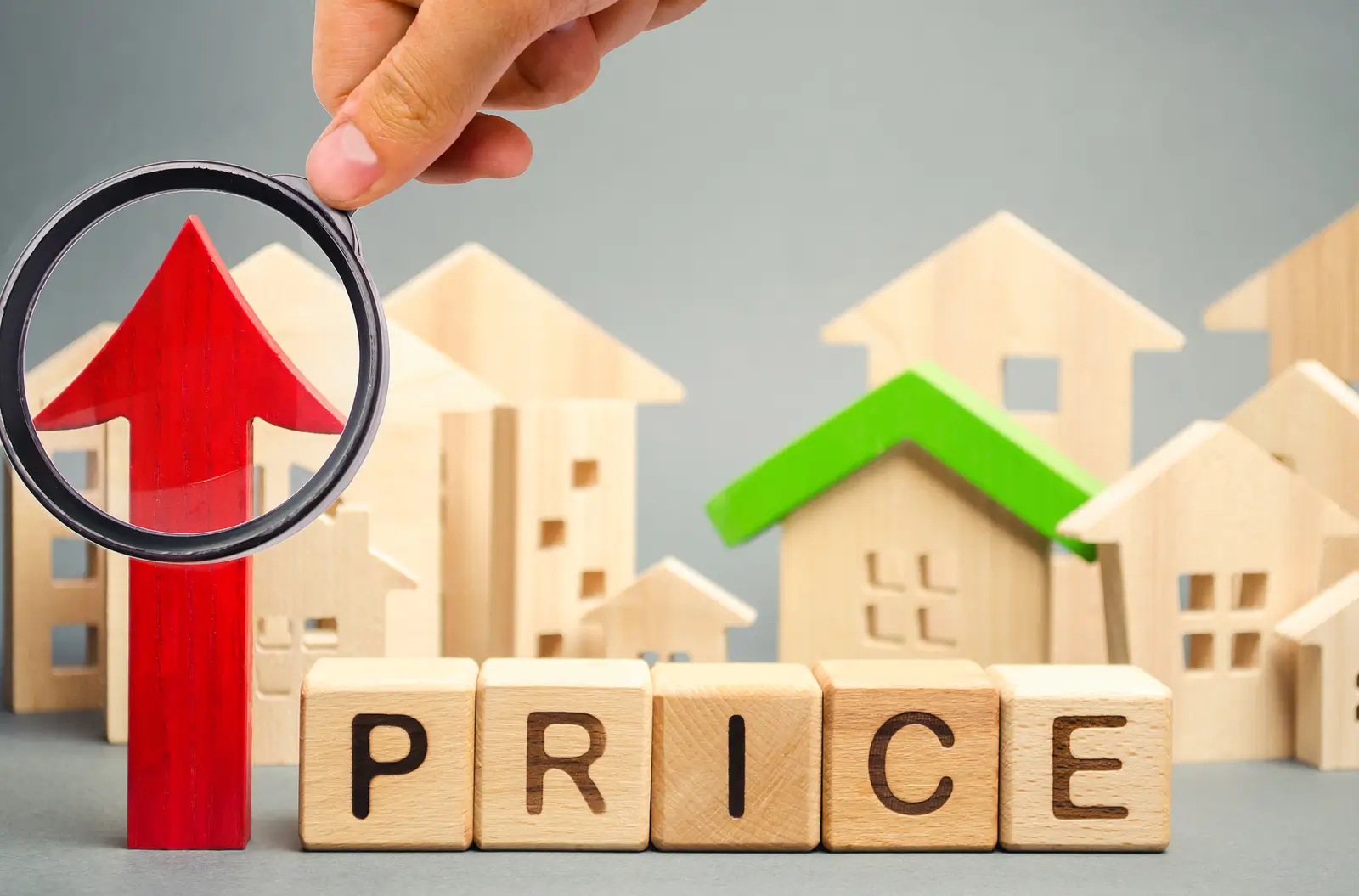
Lakeland has never been a city that sits still, and neither does its real estate market. Blink, and suddenly prices shift, buyers surge, or inventory tightens overnight.
As we head into the year ahead, the Lakeland real estate 2026 market trends landlords can't ignore are shaping up to be equal parts opportunity and challenge. Whether you own one rental or a growing portfolio, understanding where the market is heading can mean the difference between staying ahead and playing catch-up.
Key Takeaways at a Glance
- Lakeland’s housing market is expected to follow national growth trends, with steady home sales and price movement.
- Interest rates and mortgage rates will strongly influence buyer behavior, rent demand, and investment strategy.
- High demand and limited supply will continue to shape pricing, inventory, and competition.
- Landlords who stay informed and flexible will be best positioned to protect and grow their investment.
The Big Picture: Where the Housing Market Is Headed
The national housing market sets the tone, and according to the National Association of Realtors, momentum is building. Their chief economist forecasts a 14% increase in home sales nationwide, driven by improving affordability and easing mortgage rates. Lakeland, Florida, positioned perfectly between Tampa and Orlando, is expected to mirror many of these trends.
Home prices may not skyrocket as they did in the past, but moderate price growth is still on the table. For landlords, this means steady appreciation without the chaos of rapid swings. It’s a market that rewards patience, planning, and smart management.
Interest Rates, Mortgage Rates, and Why They Matter to You
Interest rates are the quiet power players behind every real estate decision. As the Federal Reserve signals potential rate drops next year, mortgage rates are expected to settle closer to the 6 percent range. That shift alone could spark a rise in mortgage applications and bring more buyers back into the market.
For landlords, this affects more than just selling. Lower mortgage rates can mean:
- More first-time buyers are entering the market
- Increased competition for listings
- Renters transitioning into homeowners
At the same time, higher interest costs over the past year have kept many households renting longer. That balance between renters and buyers will be one of the key trends to watch.
Lakeland Housing Market: High Demand, Tight Inventory
The Lakeland housing market continues to be shaped by high demand and limited supply. More people are moving to Central Florida for jobs, lifestyle, and location. Lakeland’s west-side growth, strong local economy, and easy access to Tampa and Orlando keep demand strong across the region.
Inventory remains tight, though sellers are starting to see more homes come to market than last year. This doesn’t mean oversupply; it means a healthier range of options for buyers. For landlords, limited inventory supports pricing power in both the rental and resale markets.
Home Prices: Growth, Adjustments, and Reality Checks
Home prices in Lakeland have slowed over the last couple of months, with some price cuts and price-reduction strategies becoming more common. But don’t mistake that for weakness. This adjustment phase is about realism, not decline.
Sellers who overreached last year are adjusting expectations. Meanwhile, average prices are expected to rise steadily, not explosively, in 2026. For investors, this means fewer bidding wars but better long-term value.
Single-family homes remain especially appealing due to household formation trends and pet-friendly living preferences. Families, baby boomers downsizing, and renters seeking ownership are all competing for the same property types.
Buyers, Sellers, and the Shifting Balance of Power
The market is slowly shifting away from extreme seller dominance. Buyers have more leverage than they did in the past, but sellers still hold an advantage in well-priced, well-managed properties.
First-time home buyers are expected to play a larger role next year as affordability improves. However, many buyers are still waiting, watching interest rates closely before they buy. That wait-and-see mindset keeps rental demand strong.
For landlords, this balance creates opportunity:
- Stable rent demand
- More predictable pricing
- Less pressure to rush a sale
New Home Sales and What They Mean for Rentals
New home sales are expected to contribute meaningfully to overall home sales growth. While new construction expands supply, it doesn’t always solve affordability challenges. New homes often sit at higher price points, keeping many renters in place longer.
That’s good news for rental owners. More homes don’t always mean fewer renters, especially when prices stretch buyers' budgets.
Investors: Strategy Over Speed
Real estate investing in Lakeland is no longer about speed; it’s about strategy. The past rewarded quick flips. The future rewards careful analysis, strong management, and long-term thinking.
Smart investors are focusing on:
- Rent-ready properties with minimal upkeep
- Locations close to employment centers
- Managing costs as prices and interest fluctuate
Protecting your investment means understanding supply, demand, and tenant expectations and adapting as the market evolves.
Landlord Challenges to Watch Closely
Every opportunity comes with challenges. In 2026, landlords should watch:
- Insurance and property cost increases
- Tenant affordability pressures
- Longer days on market for overpriced listings
The solution isn’t panic; it’s preparation. Strong leasing strategies, realistic pricing, and professional management practices help solve these issues before they grow.
FAQ: Lakeland Real Estate 2026 Market Trends
Q: Will home prices drop in Lakeland next year?
A: A major drop is unlikely. While price cuts may continue on some listings, overall prices are expected to remain stable with modest growth.
Q: How do mortgage rates affect rental demand?
A: Higher mortgage rates keep more people renting longer. As rates drop, some renters may buy, but demand for rentals is expected to remain strong.
Q: Are single-family homes still a good investment?
A: Yes. Single-family homes remain highly appealing due to lifestyle preferences, pets, and long-term ownership potential.
Q: Is Lakeland better for selling or renting right now?
A: Renting offers strong stability in the current market, while selling can work well for properties priced correctly.
Q: How can landlords stay informed about market trends?
A: Tracking local data, working with professionals, and understanding national signals from organizations like the National Association of Realtors all help.
Turning Market Insight into Long-Term Advantage
Lakeland real estate in 2026 won’t reward guesswork. It will reward landlords who understand trends, adjust strategies, and protect their assets with smart decisions. From pricing and rent to tenant selection and long-term planning, success comes from staying informed and proactive.
At the end of the day, real estate is still about people: homeowners, renters, buyers, and investors all walking toward the same goal: stability and opportunity. Having the right support can make that walk a whole lot smoother.
If you’re ready to explore how professional property management can help you expand, protect, and lead your investment through the year ahead, we invite you to explore our services, request a free consultation, and see how experienced local management can turn market trends into real results.