
In Lakeland, preparing for hurricane season isn’t optional; it’s part of responsible property ownership. For landlords and real estate investors across Central Florida, early planning can mean the difference between minor inconvenience and major disruption. Storms don’t wait for you to get organized, and when severe weather arrives, the condition of your rental property and your tenants' readiness will be tested.
Strong hurricane preparedness helps protect your investment, reduce liability, and ensure your residents stay safe. The key is getting everything in place before June, when the season officially begins, and risks start to rise.
Key Takeaways
- Start hurricane preparation early, complete major tasks before June to reduce risk
- Focus on structural protection, utilities, and tenant communication
- Keep insurance, important documents, and emergency contacts updated
- Provide tenants with clear guidance, evacuation plans, and emergency supplies
- Work with a reliable property management company to streamline prep and response
Understanding Hurricane Season in Central Florida
Hurricane season officially begins June 1, but in Central Florida, activity typically intensifies by mid-August and peaks in early fall. While Lakeland and Polk County are inland, they remain highly vulnerable to strong winds, flooding, and widespread storm damage.
Unlike coastal regions, storm surge is less of a concern here. However, inland risks such as standing water, debris, and power outages can be just as damaging. Properties with aging structures, weak exterior walls, or poor drainage systems face a higher risk of structural damage.
Monitoring updates from the National Hurricane Center, local county emergency management offices, and other additional resources is critical. Staying informed allows property owners to act quickly when a hurricane watch is issued.
Your Pre-Season Game Plan: A Smart Checklist
A structured plan is the foundation of hurricane season prep for Lakeland rentals—what owners should do before June. Waiting until a storm is approaching often leads to rushed decisions and missed steps.
Start by evaluating each residential property based on age, maintenance history, and exposure to flooding or wind. Prioritize higher-risk properties and schedule all inspections early.
By organizing tasks in advance, landlords can prepare efficiently and avoid last-minute stress when a hurricane approaches.
Roofs, Gutters, and Windows: Your First Line of Defense
Your property’s exterior is its shield against a storm. A licensed roof inspection should be scheduled to identify loose shingles or weak areas that could fail under heavy winds.
Clean gutters and downspouts thoroughly. Blockages can cause water overflow, increasing the risk of flooding and water intrusion.
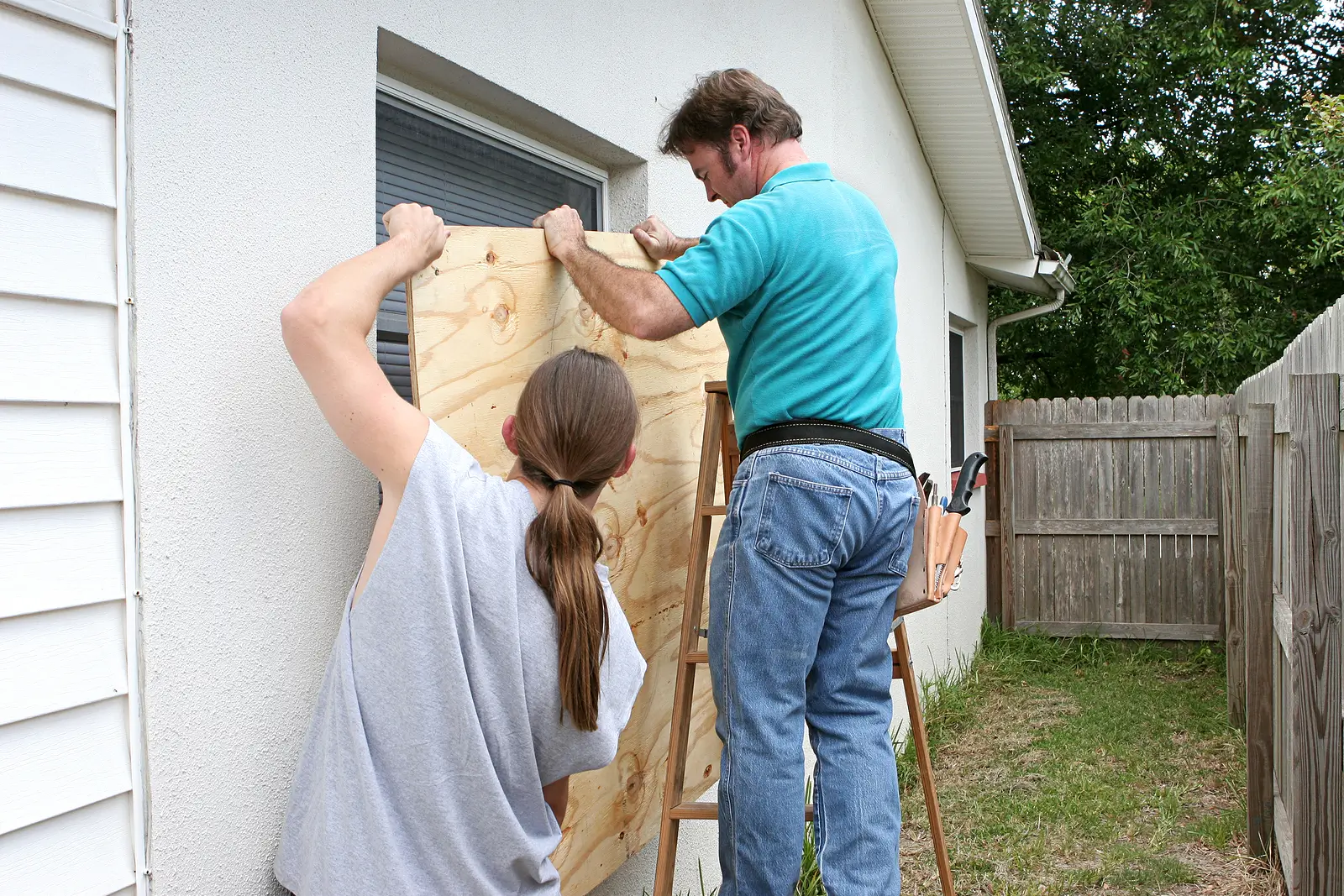
Windows are another critical point. Installing or testing hurricane shutters can significantly reduce hurricane damage. If shutters are not available, reinforced coverings should be ready before the season begins.
Landscaping Matters More Than You Think
Outdoor areas can quickly become hazards during tropical storms and hurricanes. Overgrown trees, unsecured debris, and loose patio furniture can all cause damage when winds pick up.
Hiring a professional to trim trees and remove weak branches is a smart investment. Dead trees near structures should be removed entirely.
Secure or store outdoor items and anchor any lightweight structures. These simple steps help prevent damage and reduce the risk of debris impacting the property or neighboring homes.
Systems and Utilities: Keep Everything Running Smoothly
Utility systems often take a hit during a storm. Servicing HVAC systems, checking electrical panels, and ensuring proper drainage can reduce disruptions.
Sump pumps should be tested, and backup batteries replaced. Elevating equipment where possible can help prevent water damage during flooding.
Power outages are common during hurricanes, so tenants should know how to safely manage utilities. Clear labeling of shutoffs and instructions can make a significant difference during an emergency.
Insurance and Records: Protect What You Can’t See
Even with strong hurricane preparation, risks remain. Reviewing insurance policies is essential for protecting your financial investment.
Ensure coverage includes wind damage and flooding. Understand deductibles and adjust coverage limits if needed. Many property owners only realize gaps in coverage after a storm hits.
Digitize important documents such as leases, inspection reports, and tenant records. Store them securely in cloud systems and waterproof containers for quick access after the storm.
Keeping Tenants Informed and Ready
Effective tenant communication is critical during hurricane season. Keeping tenants informed reduces confusion and improves safety outcomes.
Update contact lists and provide clear emergency contacts. Share evacuation plan details specific to each unit, including nearby shelter locations in Polk County.
Encourage residents to stay indoors during severe weather and follow local emergency management guidance. Clear communication builds trust and helps tenants stay calm and prepared.
Build a Hurricane Kit for Every Rental
Providing a basic hurricane kit is a practical way to support tenants during a storm.
Each kit should include:
- Flashlights and extra batteries
- First aid supplies
- One gallon of water per person per day
- Non-perishable food
- Duct tape and waterproof containers
Tenants should also be encouraged to include personal items such as medications, birth certificates, and extra fuel if evacuation becomes necessary.
Vendor Coordination: Your Backup Plan
When a storm is approaching, having reliable vendors ready is essential. Waiting until the last minute can lead to delays and increased costs.
Prepare a list of approved contractors for emergency repairs, including roofing, electrical, and restoration services. Pre-arrange agreements for tarp installation and board-up services.
Establish clear billing procedures and expectations so work can begin immediately when needed. This preparation helps minimize damage and speeds up recovery.
When a Storm Is Named: Act Fast
Once a hurricane watch is issued, it’s time to move quickly. Notify tenants, secure all exterior areas, and document the property’s condition with photos.
Pre-authorize emergency services and confirm availability. Acting early ensures your property is protected before conditions worsen.
After the Storm: What Comes Next
After the storm passes, safety remains the priority. Wait for official clearance before assessing the property.
Inspect for storm damage, including structural issues, water intrusion, and electrical hazards. Document everything thoroughly for insurance claims.
Submit claims promptly and begin repairs immediately to prevent further damage. Address habitability concerns first to ensure tenant safety.
FAQs about Hurricane Preparation for Rental Properties
Q1: When should landlords start hurricane preparation in Lakeland?
Preparation should begin in early spring and be completed before June 1 to reduce risk and ensure service availability.
Q2: What should tenants do during a hurricane?
Tenants should stay indoors, avoid windows, and follow instructions from local emergency management authorities. They should also avoid floodwaters and downed power lines.
Q3: Is flooding a concern in inland areas like Polk County?
Yes. Even without storm surge, heavy rainfall can cause flooding and standing water in inland areas.
Q4: What support is available after a storm?
Residents may access financial assistance, crisis counseling, and additional assistance through FEMA, county programs, and organizations like United Way.
Q5: How can landlords prevent costly repairs?
Regular maintenance, early preparation, and strong communication with tenants are key to reducing damage and repair costs.
Be Ready before the Storm Arrives
Preparing your rental property for hurricane season is one of the most important responsibilities you have as a landlord. From protecting physical structures to ensuring tenants are safe and informed, every step you take now helps reduce risk and prevent damage later.
Handling all aspects of hurricane preparedness can be time-consuming, especially for landlords managing multiple properties. Partnering with a reliable property management company can simplify the process and provide peace of mind.
PMI Arrico offers comprehensive property management services to help property owners prepare for, respond to, and recover from severe weather events. From inspections and tenant communication to post-storm coordination, we’re here to support you every step of the way.
Get ahead of the season and protect your investment. Connect with PMI Arrico or schedule a free consultation today to learn how we can help you stay prepared.